

Composite Door Scratch Repair
Composite doors are extremely durable and a great choice for any home, however they can suffer damage from heavy use. A simple touch-up kit can be used to repair scratch marks.
The Konig Window & Door Repair Kit contains five wax sticks that fill in blemishes, scratches and leave invisible repairs. The kit comes with a spray lacquer that matches the color of composite or PVCu windows and doors, to repair dents and dings.
1. Scratched Areas: How to Clean them
Although composite doors are built to last, they could be damaged due to accidents or mishaps. Some of the most common problems are holes in the door or lock mechanism, a stuck lock dropping pivots, or deteriorated seals. Luckily, a lot of these issues can be fixed easily.
To ensure that your composite doors are protected, you should clean them regularly to get rid of dirt, dust and fingerprints. Use a soft cloth or sponge with soapy water that is warm and warm to wipe the surface. Avoid using abrasive cleaning materials, as these can scratch the surface and cause lasting damage. Avoid using power washers, solvents or bleach as well as other cleaning products that can cause damage to the hardware or remove the color.
A non-abrasive cream cleaner, like a mild household cleaner, is usually best for composite doors. Alternatively, you can find DIY cleaner solutions on the internet that are suitable for use on composite doors. It is important to read the directions carefully before applying any DIY solution to your door. Some recipes for cleaning composite door contain ingredients like bicarbonate soda which could damage the finish.
Be cautious when using WD-40 on composite doors. While WD-40 is often effective at getting rid of residue and marks but it can also leave a dull finish. If it comes into contact with your skin you should wash the area immediately.
It is also important to inspect the weatherstripping of your composite door frequently. It is recommended to replace the weatherstripping if it is showing indications of wear out, to keep drafts at bay and preserve your door's insulation qualities. It is also important to regularly grease the hinges and locks to minimize friction and wear on the door's surface.
While these steps won't stop your composite door from being damaged, they can help reduce the frequency of scratches. Follow these simple steps to extend the lifespan of your composite doors and save money on repairs in the future.
2. Fill the Scratches
A composite door might be durable but can still be damaged in the manufacturing process, by wear and tear or weather. You can restore the original look of your door by repair in a few simple steps.
Start by cleaning the affected area with warm water and mild detergent. This will get rid of any debris or dirt and allow you to determine the extent of the damage. Once the surface has been cleaned then you can apply putty or a repair kit to fill in the scratches on the door made of composite. This will restore the door to its original condition.
Do not overfill the scratches in the door made of composite, as this will make them more visible. Consult a professional if you are unsure how to fill in the scratches on your composite door. This will prevent any further damage to your door.
You should also check that your composite door has been properly sealed every year or two to prevent moisture and sunlight from affecting its appearance. A high-quality sealant can keep the door looking fresh and reduce the energy cost.
Composite doors are strong however they are susceptible to damage due to severe weather, wear and tear as well as during the manufacturing or transport process. It is important to fix a damaged composite doors immediately to avoid further damage and costly repairs.
If your composite door is painted and you are capable of repainting it with a composite touch up paint to repair the scratches and other marks. If the scratch or mark is more severe, you might require replacing the door with a new one.
Make sure that the hinges on your composite door operate smoothly. If they are not then you can lubricate them by using a silicone-based lubricant that makes them smoother and easier to operate. It is also important to ensure that the weatherstripping is in good condition and can help reduce drafts and lower energy costs.
3. Sand the Repairs
If your composite door is damaged, it's crucial to take action quickly. This is because it may be difficult to repair the damage later if you don't do it right away. Here are a few steps you can take to repair the damage to your composite door's scratches, chips, cracks and dents:
To begin, it is best to clean the area of scratch as soon as possible. This will lessen the damage caused by the scratch. You can use a wet cloth or a cleaning agent to wipe the area and then rinse.
After the dirt and other debris are removed from the surface that has been scratched, you can fill the gap with a repair. Make sure you choose a repair compound designed for composite doors. This will ensure the repair compound is able to withstand the elements and is durable.
Then, you'll need to sand the repaired area. This will help to smooth the surface of the composite door and make it look natural. Start with a medium grit and then move to fine as you move down the surface. After sanding the area then wipe it clean with a rag.
Re-spraying your composite door frequently is another great way to maintain its appearance. This will shield it from further damage and also stop the color from changing over time.
One of the most common issues with composite doors is that they become difficult to open or close. This is because the hinges are worn out or an uneven alignment between the door and frame. If this is the case, it's recommended to ensure that the hinges are lubricated. This will lessen friction between the door and hinges making it easier for you to open and close the door.
In most cases, this type of problem will be covered by the manufacturer's warranty. It is important to read the fine print, as it may differ. In some instances the warranty may not cover the cost for replacement parts.
4. Apply Touch-Up Paint
Composite doors are built to last and require little maintenance, however they can be damaged. If your composite door is showing signs of wear and tear, you can apply a touch-up paint pen to cover scratches and make them less visible.
composite door hinge replacement are best for larger areas. This will ensure a flawless finish and even coverage. To prepare the surface for spraying, sand and rub down the entire area before removing any dust or dirt. Once the area is clean, sand the area again to smooth it out, and prepare for spraying by wiping the entire surface with a damp cloth.
Before you begin applying your paint for touch-ups, shake the can to ensure that the colours are well mixed. Open the cap, and remove the cap on the front. Apply the paint to the area that is damaged using light pressure. Make sure to apply small strokes, as too much paint can run onto other areas and blemish the overall appearance of the door. Wait a few moments for the paint to dry after having applied it.
After the paint has dried, sand the repair area to ensure that it is smooth and level with the door's surfaces. If needed, reprime the area with the same primer you used on the rest of the doors. After that, sand with 150 grit sandpaper to smooth and flatten the surface.
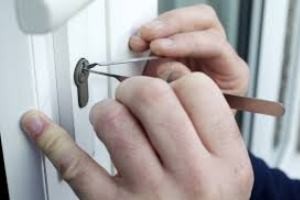
Using Konig window repair products allows you to easily eliminate scratches and blemishes from PVCu and composite windows and doors in the field, leaving your customers astounded by the improvement they see. This revolutionary product will enable you to provide a greater level of customer satisfaction and get the recommendations and repeat business you're entitled to.